The Importance of Black Seed Oil
God’s Natural Gift: Supporting Health Through Wise Stewardship
“And God said, Behold, I have given you every herb bearing seed… to you it shall be for meat.” — Genesis 1:29 (KJV)
Black seed oil, extracted from the seeds of the Nigella sativa plant, has been used for centuries in traditional medicine across the Middle East, Africa, and Asia. Often referred to as black cumin seed oil, it has gained worldwide attention for its potential health benefits.
The primary active compound in black seed oil is thymoquinone, a powerful antioxidant and anti-inflammatory substance that researchers continue to study for its effects on various aspects of health.
While black seed oil is not a miracle cure, growing scientific evidence suggests it may support immune health, reduce inflammation, and contribute to overall well-being when used as part of a healthy lifestyle.bstance that researchers continue to study for its effects on various aspects of health.
As Christians, we recognize that God has provided many beneficial plants for our nourishment and care. However, our ultimate trust remains in Christ, the Great Physician, while we wisely use the natural resources He has provided.
What Is Black Seed Oil?
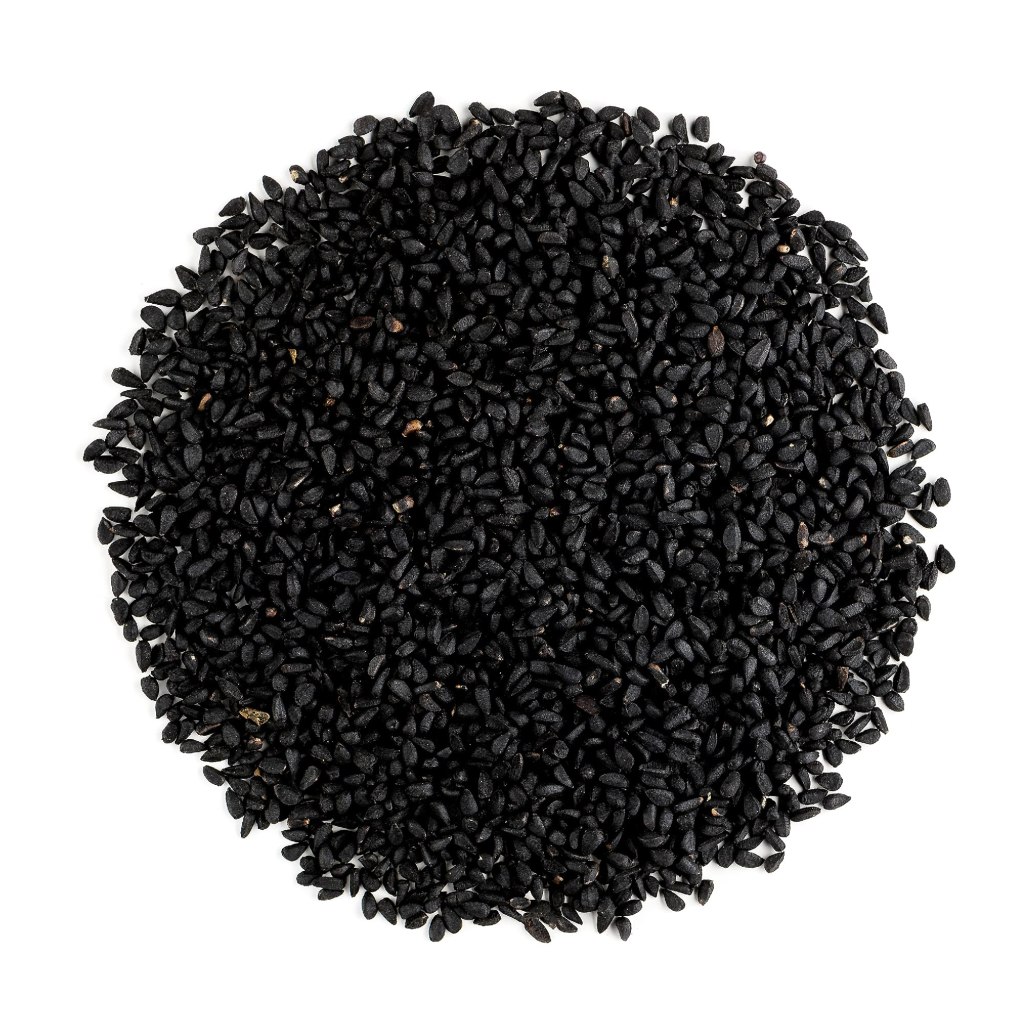
Black seed oil is pressed from the tiny black seeds of the Nigella sativa flowering plant.
For thousands of years, these seeds have been used in traditional medicine and as a culinary spice.
Modern research has identified several beneficial compounds in black seed oil, including:
- Thymoquinone
- Nigellone
- Essential fatty acids
- Antioxidants
- Vitamins and minerals
These compounds contribute to many of its potential health benefits.
Health Benefits of Black Seed Oil
1. Supports the Immune System
A healthy immune system protects the body from illness.
Research suggests that black seed oil may help support normal immune function by reducing oxidative stress and promoting a balanced immune response.
While it is not a treatment for infections, it may complement a healthy lifestyle that includes proper nutrition, adequate sleep, exercise, and stress management.
2. Helps Reduce Inflammation
Inflammation is part of the body’s natural healing process, but chronic inflammation has been linked to many diseases.
Studies indicate that thymoquinone may help reduce inflammatory markers in the body.
Reducing chronic inflammation may support overall health and wellness.
3. Rich in Antioxidants
Black seed oil contains antioxidants that help protect cells from damage caused by free radicals.
Antioxidants contribute to:
- Healthy aging
- Cellular protection
- Reduced oxidative stress
- Support for overall wellness
4. Supports Heart Health
Some research suggests black seed oil may help support cardiovascular health by contributing to:
- Healthy cholesterol levels
- Healthy blood pressure
- Improved blood vessel function
These benefits are best achieved when combined with a heart-healthy lifestyle, including a balanced diet and regular exercise.
5. Helps Support Healthy Blood Sugar
Early studies suggest black seed oil may help support healthy blood sugar levels in some individuals.
However, people with diabetes should never replace prescribed medications with black seed oil and should consult their healthcare provider before using supplements.
6. Supports Respiratory Health
Traditionally, black seed oil has been used to support respiratory wellness.
Some studies suggest it may help relieve symptoms associated with:
- Seasonal allergies
- Mild asthma
- Sinus congestion
More research is needed, but its anti-inflammatory properties may contribute to these effects.
7. Promotes Healthy Skin
Black seed oil is commonly used topically for skin care.
It may help soothe:
- Dry skin
- Minor irritation
- Acne
- Eczema symptoms
Its moisturizing and antioxidant properties make it a popular natural skincare ingredient.
8. Supports Digestive Health
Black seed oil has traditionally been used to aid digestion.
Some people report that it helps:
- Reduce bloating
- Support healthy digestion
- Promote gut comfort
Evidence is still emerging, and more clinical studies are needed.
Black Seed Oil and Women’s Health
Researchers have begun studying black seed oil for its possible role in supporting women’s health.
Some early studies suggest it may help reduce inflammation associated with:
- Menstrual discomfort
- Polycystic Ovary Syndrome (PCOS)
- Hormonal balance
There is limited research on black seed oil and uterine fibroids. While its anti-inflammatory effects are of interest, there is currently no strong evidence that black seed oil shrinks fibroids or cures gynecological conditions. More research is needed.
Black Seed Oil and Autoimmune Conditions
Because black seed oil may influence immune activity, researchers are investigating its role in autoimmune diseases.
Some preliminary studies have explored its potential benefits in conditions such as rheumatoid arthritis and autoimmune thyroid disease. However, evidence is not yet sufficient to recommend it as a treatment.
Individuals with autoimmune diseases should consult their healthcare provider before using black seed oil regularly.
How to Use Black Seed Oil
Black seed oil is available in several forms:
- Liquid oil
- Softgel capsules
- Whole seeds
- Ground powder
Some people take the oil directly, while others mix it into smoothies or salad dressings. Because it has a strong, peppery taste, many prefer capsules.
Always follow the manufacturer’s directions or the advice of a healthcare professional.
Possible Side Effects
Black seed oil is generally well tolerated in moderate amounts, but some people may experience:
- Upset stomach
- Nausea
- Allergic reactions
- Skin irritation (when applied topically)
It may also interact with certain medications, including:
- Blood thinners
- Blood pressure medications
- Diabetes medications
- Immunosuppressive drugs
If you are pregnant, breastfeeding, have a chronic medical condition, or take prescription medications, speak with your healthcare provider before using black seed oil supplements.
Conclusion
Black seed oil is a remarkable natural product that has been valued for centuries and continues to be studied by modern science. Its antioxidant and anti-inflammatory properties may support immune function, heart health, skin health, and overall wellness. However, it should not be viewed as a cure-all or a replacement for medical care.
God has graciously provided many beneficial plants and herbs, and black seed is one example of His abundant provision. As we care for our bodies through wise nutrition, natural remedies, regular exercise, adequate rest, and trust in Him, we honor the Creator and become better equipped to serve others.
True healing comes from the Lord. By combining sound health practices with faith in Jesus Christ, the Great Physician, we can pursue a life of greater strength, balance, and purpose.
“Whether therefore ye eat, or drink, or whatsoever ye do, do all to the glory of God.” — 1 Corinthians 10:31 (KJV)
Disclaimer
This article is for educational purposes only and should not be considered medical advice. Black seed oil is not intended to diagnose, treat, cure, or prevent disease. Always consult a qualified healthcare professional before starting any herbal supplement, especially if you are pregnant, breastfeeding, have chronic health conditions, or take prescription medications.
 unitedglobaladventmedia.org
Leave a comment