A Natural Gift for Health and Healing
“And God said, Behold, I have given you every herb bearing seed… to you it shall be for meat.” — Genesis 1:29 (KJV)
Introduction
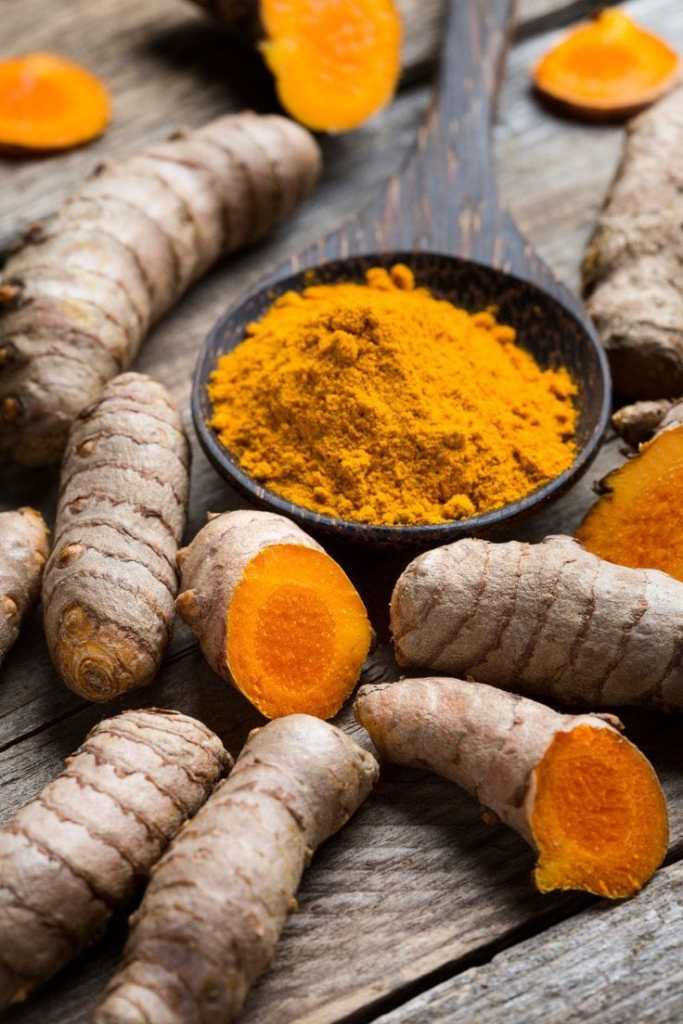
For thousands of years, turmeric has been treasured as both a culinary spice and a medicinal herb. Derived from the root of the Curcuma longa plant, turmeric is well known for its vibrant golden-yellow color and its active compound, curcumin, which is responsible for many of its health-promoting properties.
Today, modern scientific research continues to explore turmeric’s potential benefits, particularly its anti-inflammatory and antioxidant effects. While turmeric is not a cure for disease, it can be a valuable part of a healthy lifestyle when combined with good nutrition, exercise, adequate rest, and trust in God.
As believers, we recognize that God has provided many natural gifts to support our health. Turmeric is one of the herbs that can complement a balanced diet and a lifestyle based on biblical principles.
What Is Turmeric?
Turmeric is a flowering plant in the ginger family, native to South Asia. Its underground stem, or rhizome, is harvested, dried, and ground into the bright yellow powder commonly used in cooking.
The primary active compound in turmeric is curcumin, a natural polyphenol that has been studied for its antioxidant and anti-inflammatory properties.
Health Benefits of Turmeric
1. Helps Reduce Inflammation
Inflammation is the body’s natural response to injury or infection. However, chronic inflammation has been linked to many health conditions, including:
- Arthritis
- Heart disease
- Diabetes
- Obesity
- Autoimmune disorders
Curcumin has been shown in research to help regulate inflammatory pathways in the body. While turmeric should not replace prescribed medical treatment, it may help support overall health when included as part of a balanced diet.
2. Rich in Antioxidants
Turmeric contains powerful antioxidants that help protect the body’s cells from damage caused by free radicals.
Antioxidants may contribute to:
- Healthy aging
- Protection against oxidative stress
- Support for immune function
- Overall cellular health
3. Supports Joint Health
Many people use turmeric to help support joint comfort and mobility.
Some studies suggest that curcumin may help reduce symptoms of osteoarthritis and improve joint function. However, responses vary from person to person, and turmeric is not a substitute for medical care.
4. Supports Brain Health
Emerging research suggests that curcumin may help protect brain cells from oxidative damage and inflammation.
Scientists continue to study its potential role in supporting:
- Memory
- Cognitive function
- Healthy aging of the brain
More research is needed before firm conclusions can be made.
5. Promotes Heart Health
A healthy heart depends on healthy blood vessels and balanced inflammation.
Research suggests turmeric may support cardiovascular health by helping maintain normal blood vessel function and reducing oxidative stress. These benefits are greatest when turmeric is part of an overall heart-healthy lifestyle.
6. Supports Digestive Health
Traditionally, turmeric has been used to support digestion.
Some people find that it helps:
- Stimulate digestion
- Reduce occasional bloating
- Support liver function
- Promote healthy bile production
Individuals with gallbladder disease should speak with a healthcare provider before using large amounts of turmeric.
7. Supports the Immune System
The antioxidants and plant compounds in turmeric may help support a healthy immune response.
A healthy immune system is strengthened through:
- Nutritious food
- Adequate sleep
- Exercise
- Fresh air
- Sunshine
- Trust in God
Turmeric can be one small part of this broader approach to wellness.
Turmeric and Women’s Health
Turmeric has been studied for its potential role in supporting women’s health, particularly in reducing inflammation.
Researchers are exploring its effects in conditions such as:
- Menstrual discomfort
- Endometriosis
- Polycystic Ovary Syndrome (PCOS)
- Uterine fibroids
While early findings are encouraging, more high-quality research is needed. Turmeric should not be considered a treatment or cure for these conditions, and women should consult their healthcare provider for individualized care.
How to Use Turmeric
Turmeric powder can easily be added to everyday meals.
Popular ways include:
- Soups
- Stews
- Rice dishes
- Lentils
- Vegetable curries
- Smoothies
- Herbal teas
- Golden milk (made with plant-based milk and spices)
Improve Absorption
Curcumin is absorbed poorly on its own. Research suggests absorption improves when turmeric is consumed with:
- Black pepper, which contains piperine
- Healthy fats, such as olive oil, avocado, or nuts
Adding a pinch of black pepper and a small amount of healthy fat to turmeric-containing meals may enhance its absorption.
Precautions
Although turmeric is generally safe when used in cooking, large doses or concentrated supplements may not be appropriate for everyone.
Speak with a healthcare provider before taking turmeric supplements if you:
- Take blood-thinning medications
- Have gallbladder disease
- Are pregnant or breastfeeding
- Have kidney stones or certain kidney disorders
- Are scheduled for surgery
Natural remedies should be used wisely and in consultation with a qualified healthcare professional when necessary.
Conclusion
Turmeric is one of God’s remarkable gifts from nature. Rich in antioxidants and known for its anti-inflammatory properties, it has been valued for centuries as both a food and a traditional remedy. Modern research continues to explore its potential benefits, while also reminding us that no herb is a cure-all.
As Christians, we recognize that true health comes from living in harmony with God’s principles. A wholesome diet, regular exercise, fresh air, sunshine, adequate rest, temperance, pure water, and unwavering trust in God form the foundation of lasting wellness.
By using natural foods like turmeric wisely and caring for our bodies as temples of the Holy Spirit, we honor the Creator and position ourselves to better serve Him and others.
“Whether therefore ye eat, or drink, or whatsoever ye do, do all to the glory of God.” — 1 Corinthians 10:31 (KJV)
Disclaimer: This article is for educational purposes only and is not intended to diagnose, treat, cure, or prevent any disease. Always consult a qualified healthcare professional before starting any new supplement or herbal regimen, especially if you have existing medical conditions or take prescription medications.
 unitedglobaladventmedia.org
Leave a comment