UGA Media | Faith, Family & Stewardship
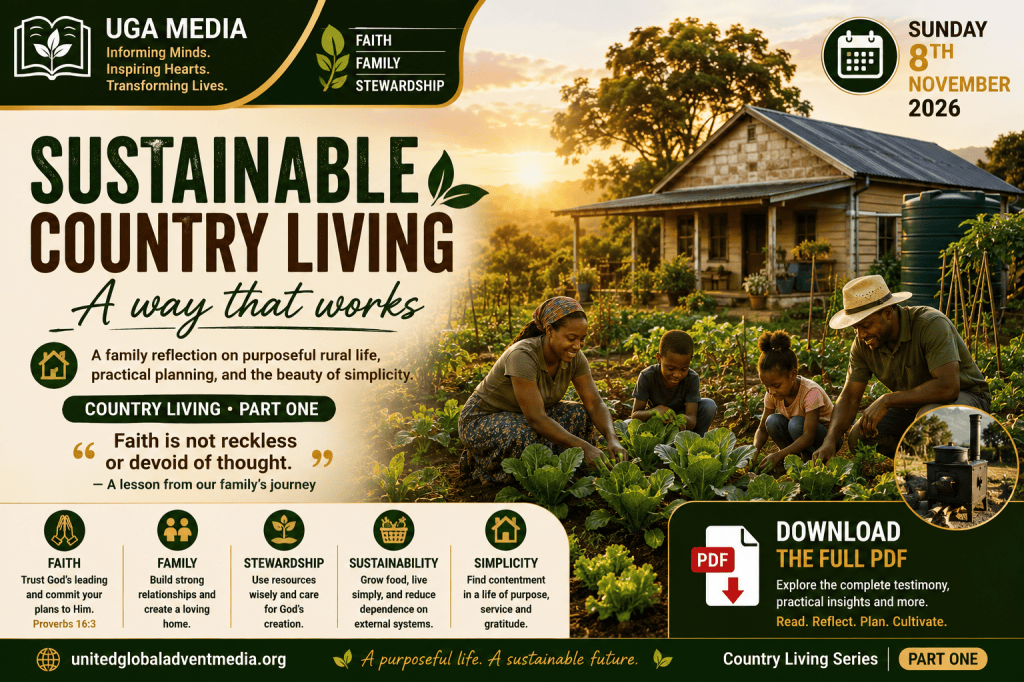
A family reflection on purposeful rural life, practical planning, and the beauty of simplicity.
Reframing the Vision of Country Living
What comes to mind when you think about moving from the city to the countryside? Perhaps you picture large farms, livestock, endless fields, and a life completely independent of modern conveniences.
But country living does not necessarily have to mean establishing a large commercial farm or becoming a full-time agricultural entrepreneur. For some families, the motivation is much deeper: creating a peaceful home, raising children in a wholesome environment, strengthening family relationships, and developing a closer connection with God through nature.
In Sustainable Country Living: A Way That Works, a family shares its personal journey of embracing rural life, guided by religious convictions and a desire to live more purposefully.
Their experience highlights an important lesson: a simpler life does not happen by accident. It requires faith, careful planning, practical skills, and a willingness to adapt.
1. Integrating Faith with Intentional Planning
A desire to live in the countryside can be inspiring, but good intentions alone cannot meet the everyday needs of a family.
Food, education, transport, clothing, healthcare, and household expenses remain important considerations, even when living away from the city. The family therefore emphasises that trusting God does not mean abandoning careful thought.
Proverbs 16:3 (KJV) reminds us:
“Commit thy works unto the LORD, and thy thoughts shall be established.”
Before relocating, families should take time to understand the area, consider access to essential services, assess safety, and evaluate the availability of water, transport, schools, and healthcare.
A beautiful vision needs a practical foundation.

2. Counting the Full Cost Before Relocating
Jesus taught the importance of counting the cost before beginning a major undertaking (Luke 14:28). This principle applies directly to families considering a move to the countryside.
The excitement of owning rural property can sometimes overshadow the financial realities involved. Land, shelter, water systems, tools, transport, repairs, and education all require resources.
The family shares an important observation: some people begin rural living with enthusiasm but eventually return to the city when their savings run out.
A slower transition may be wiser. Some families can maintain their town-based employment while gradually developing their rural homes. Others may identify income opportunities from their land or existing skills.
The goal is not simply to move away from the city, but to establish a home that can be sustained over time.
3. Selecting Land That Aligns with Your Capacity and Resources
One of the most practical lessons in the document is the importance of choosing land according to what a family can reasonably afford and maintain.
Ellen G. White offers this counsel in Country Living, p. 24:
“The parents should get as suitable a place as their means will allow. Though the dwelling may be small, yet there should be land in connection with it, that may be cultivated.”
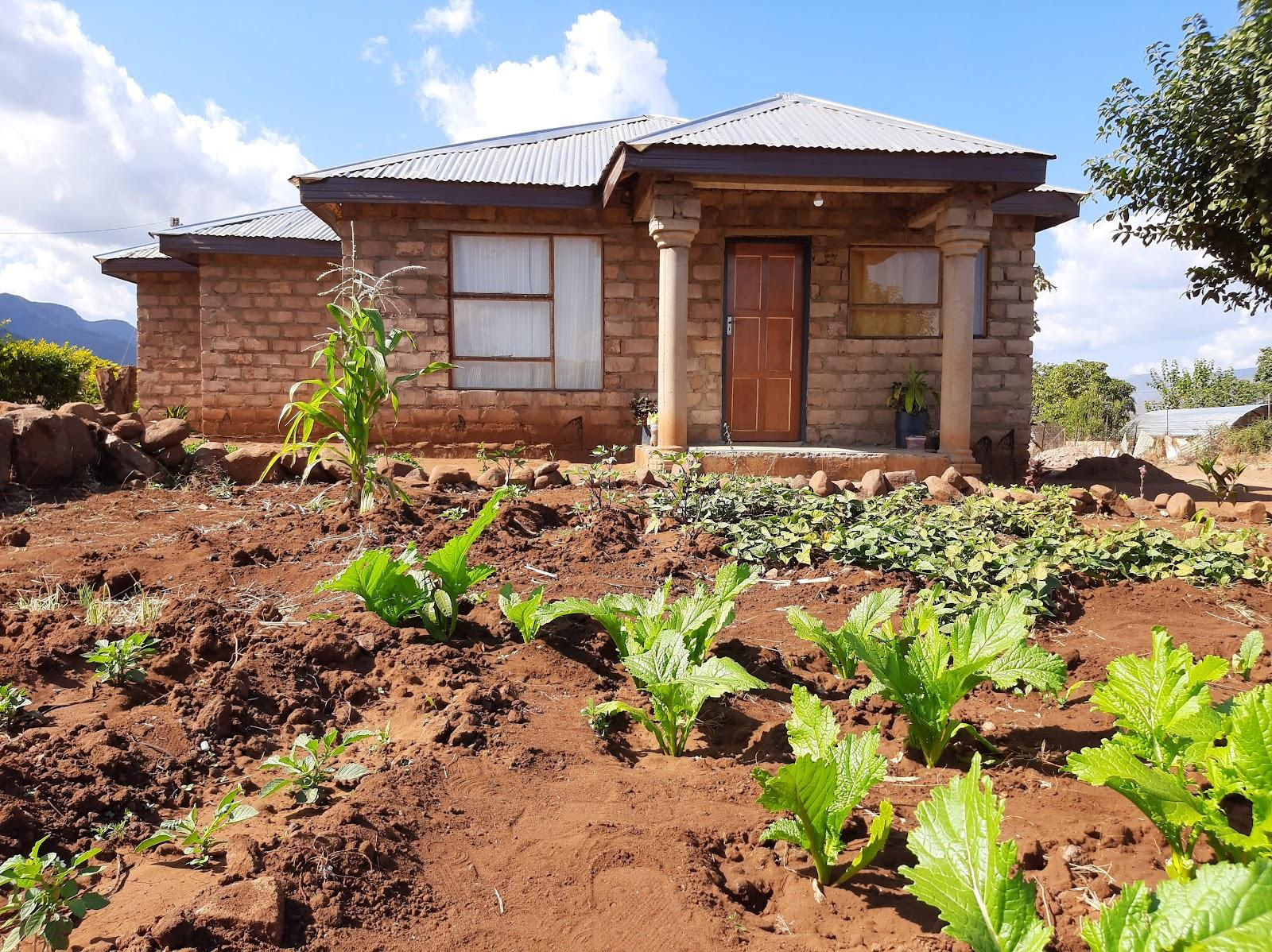
A large property is not necessarily better. A modest piece of land may provide enough space for a productive garden, a small household project, and other practical activities.
The family also encourages readers to consider their financial circumstances carefully and avoid burdensome debt. The purpose of country living should be to build a meaningful life, not to become overwhelmed by the cost of maintaining property.
4. Producing Food to Strategically Offset Household Expenses
One of the most rewarding aspects of country living is the opportunity to produce some of the food consumed at home.
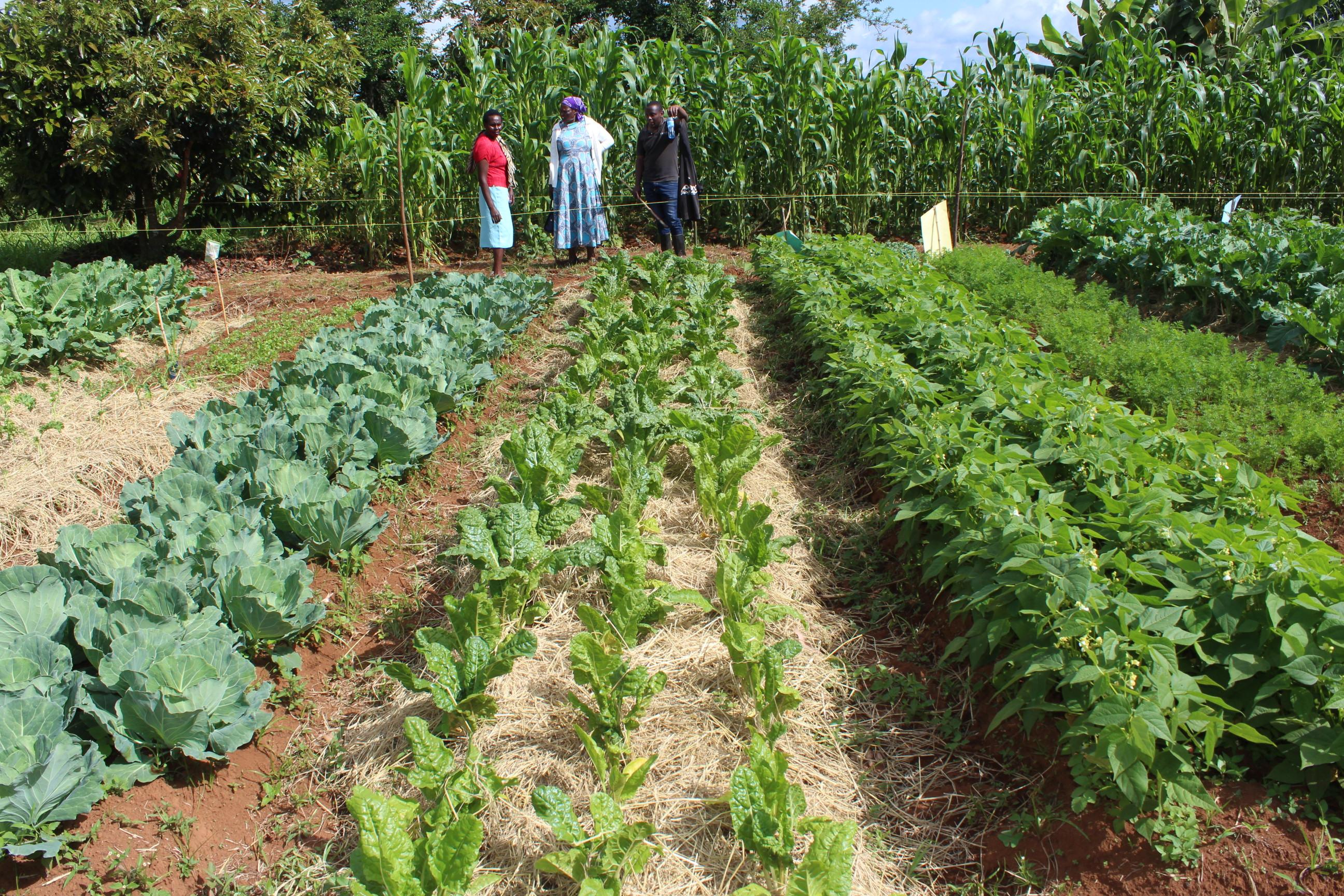
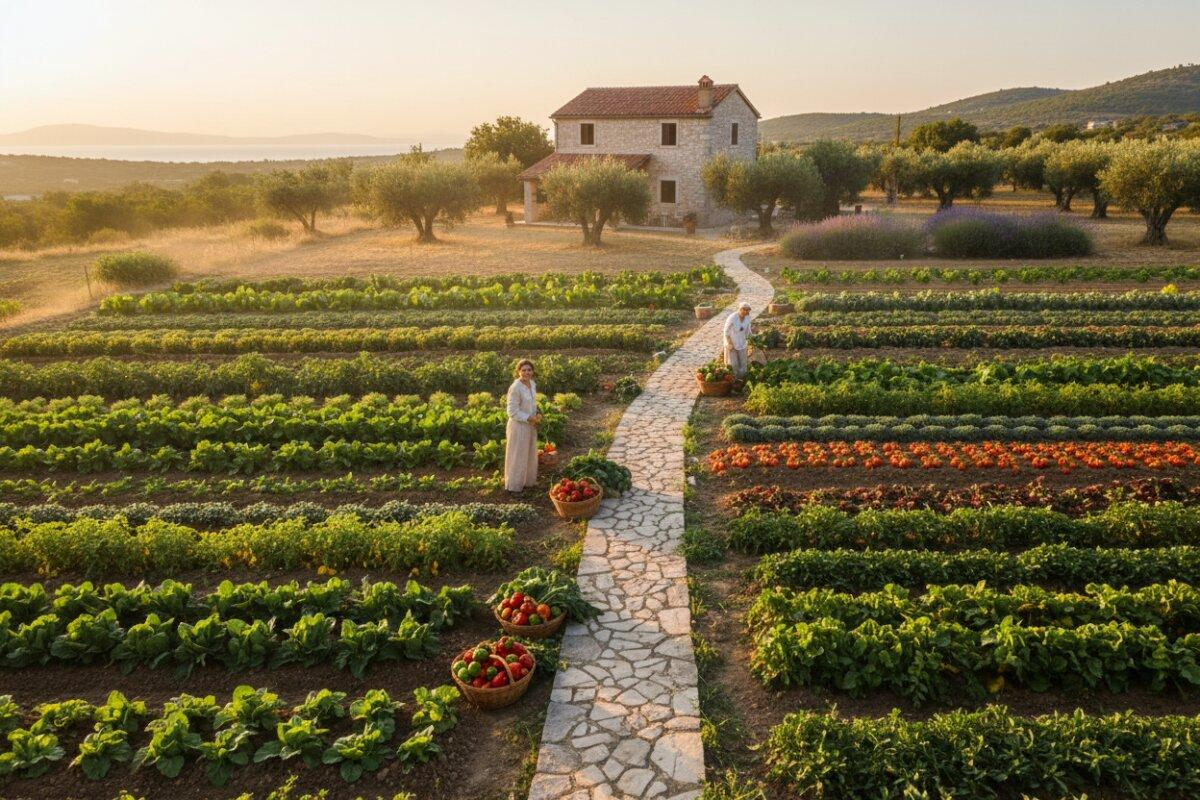
The family shares its experience with a modest garden that has provided vegetables, grains, fruits, and other produce, including cabbage, spinach, garlic, ginger, potatoes, carrots, beans, maize, sorghum, onions, melons, and berries.
Beyond providing fresh food, a productive garden can reduce the amount of money spent on groceries. Produce can also be harvested and preserved for later use.
You do not need a large farm to begin. Start with crops suited to your climate, soil, and water supply. Learn the growing seasons, use available space wisely, and expand gradually.
A garden can become much more than a source of food. It can teach children responsibility, encourage family participation, and strengthen appreciation for God’s provision through nature.
5. Stewarding Natural Resources with Wisdom and Foresight
Sustainable living also involves finding practical ways to use available resources responsibly.
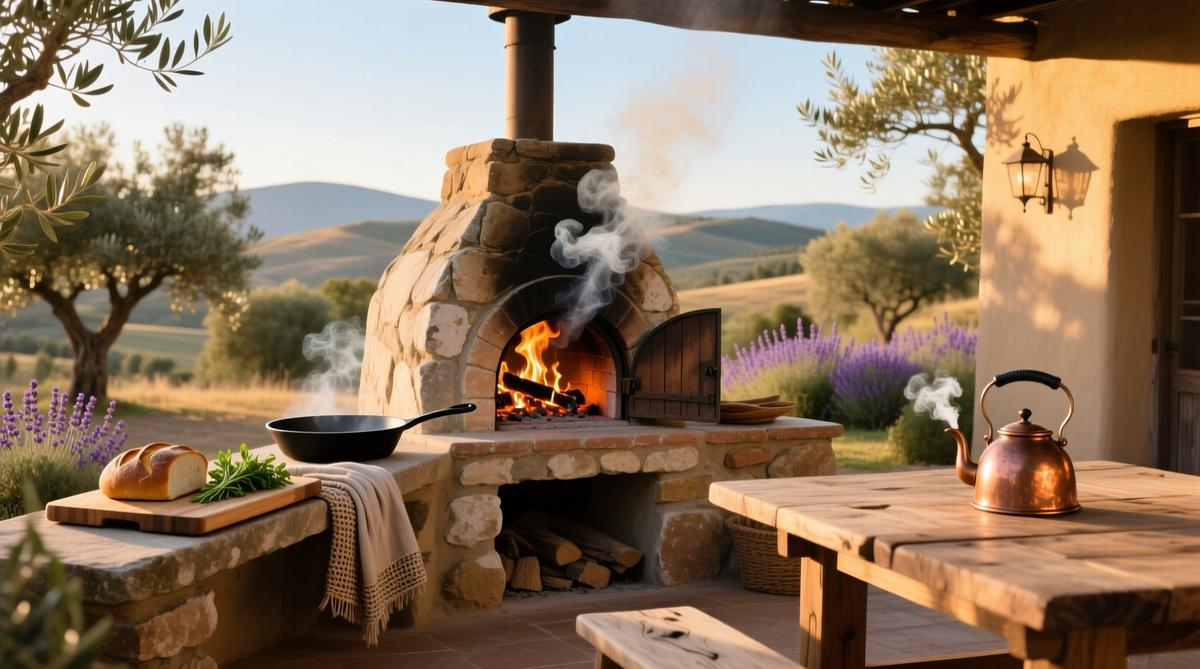
The family shares how they gathered stones from a nearby hill and used them to construct a fireplace. Through patience and hard work, they created a place that provides warmth and brings people together during family visits and church gatherings.
They also developed an outdoor cooking area, which became both a practical way to manage household energy costs and an opportunity for family bonding.
Another interesting project was the construction of a wood-fired water heater, commonly called a donkey geyser. It provides hot water for the family and visitors while reducing dependence on electricity and gas.
These examples demonstrate how resourcefulness and creativity can make rural living more manageable.
However, natural resources must always be used responsibly. Safe ventilation, fire precautions, appropriate installation, and proper maintenance are essential when using wood-fired appliances and heating systems.
6. Designing a Home Around Core Priorities
Perhaps the most meaningful part of this journey is the family’s original motivation.
Their desire was not simply to own land or reduce expenses. They wanted to nurture their children, strengthen family relationships, step away from the constant pursuit of material possessions, and create a home centred on faith and purpose.
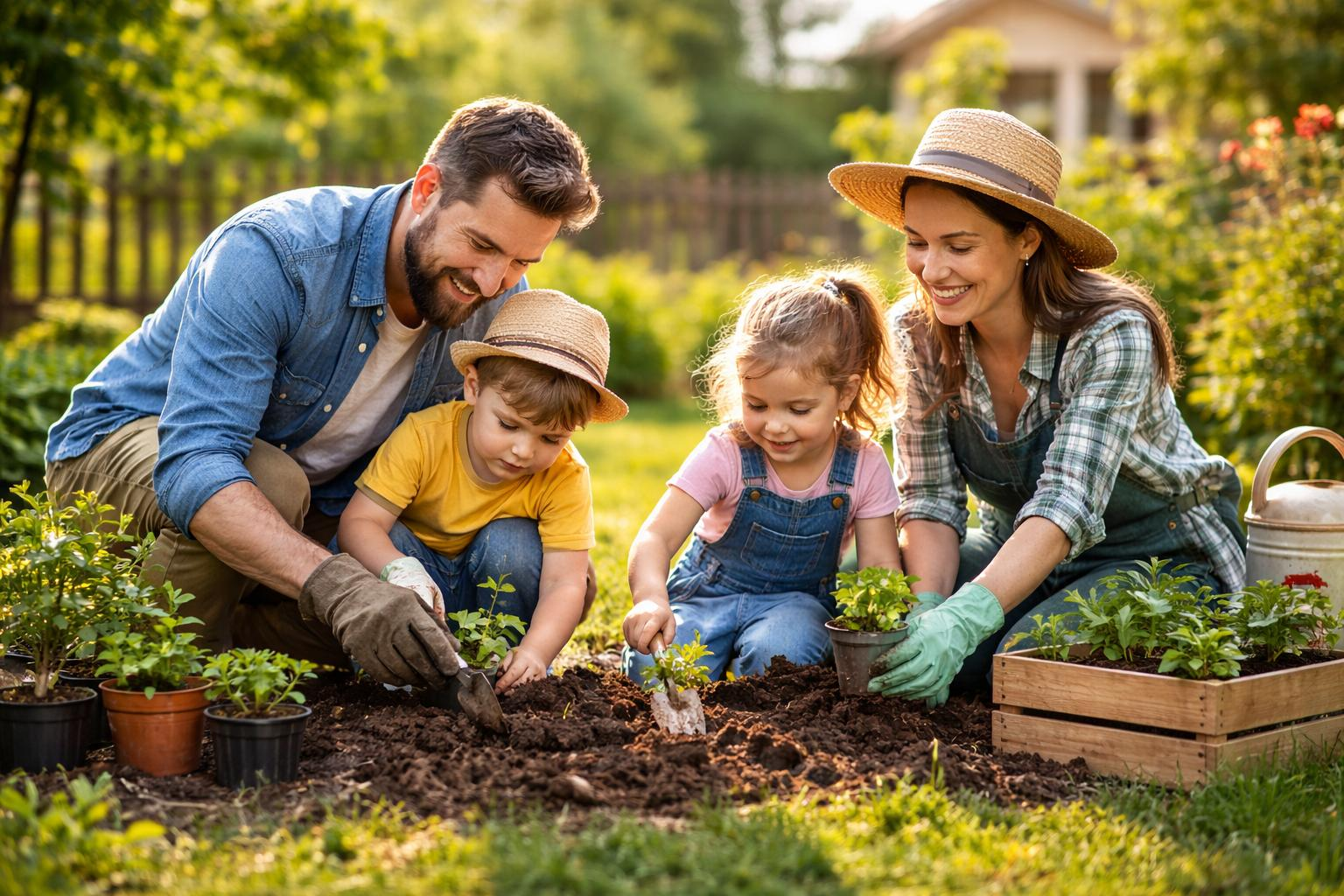
Country living provided opportunities for shared activities, outdoor cooking, gardening, fellowship, and closer interaction with nature.
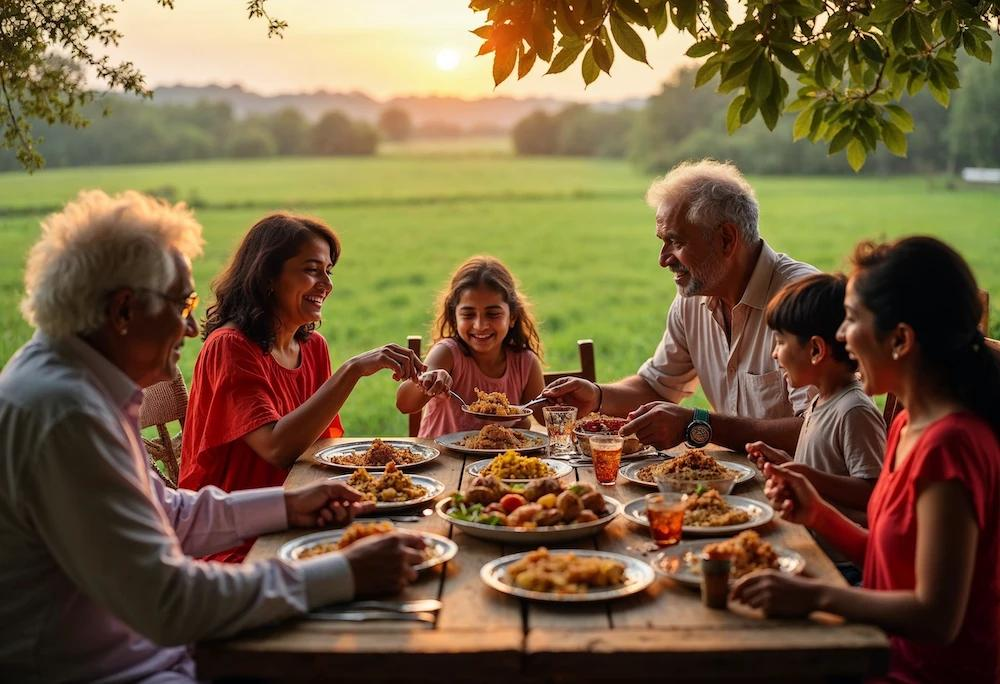
These experiences remind us that a meaningful home is not measured only by its size, the possessions it contains, or the income it generates.
Sometimes, the greatest rewards come from the simple things: working together, sharing meals, teaching children practical skills, welcoming visitors, and appreciating the blessings of everyday life.
Cultivating a Life of Lasting Value
Sustainable country living does not always require great wealth or vast acreage. It begins with making thoughtful decisions, using available resources wisely, developing practical skills, and building a life that reflects your family’s values and circumstances.
The journey will not always be easy. There will be challenges, adjustments, and lessons along the way. But with patience, diligence, and dependence on God, even small improvements can make a meaningful difference.
As Proverbs 24:3 (KJV) reminds us:
“Through wisdom is an house builded; and by understanding it is established.”
The question is not simply whether we can afford to move to the countryside. It is whether we are willing to plan wisely and cultivate a home where faith, family, and responsible stewardship can flourish.
Continue Reading: Download the Full PDF
Would you like to explore this family’s journey in greater detail?
Download the full PDF, Sustainable Country Living: A Way That Works – Part One, for the complete personal testimony and practical insights.
The document explores the family’s motivations for relocating, the importance of financial preparation, choosing suitable land, growing food, and developing simple household systems that reduce daily expenses.
It also introduces the next part of the journey, which will explore solar power and practical steps towards off-grid living.
Whether you are considering a rural home, already living in the countryside, or simply interested in a more purposeful and sustainable lifestyle, this experience offers valuable ideas to reflect on.
Read. Reflect. Plan. Cultivate.
May we learn to live with purpose, use God’s provisions wisely, and build homes that nurture faith, family, and gratitude.
UGA Media — Informing Minds. Inspiring Hearts. Transforming Lives.
Visit unitedglobaladventmedia.org for more inspiring stories, practical knowledge, and faith-building resources.


Leave a Reply