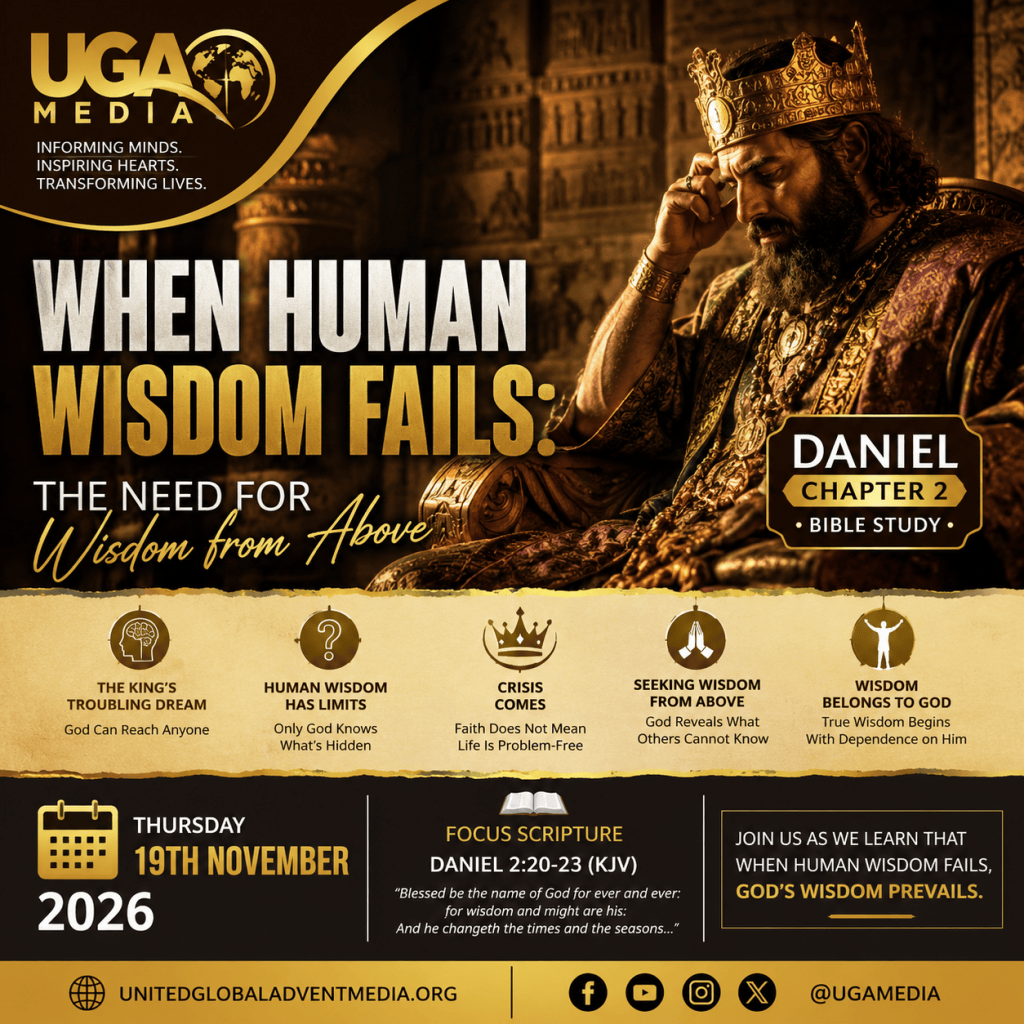
UGA Media | Bible Study
Focus Scripture: Daniel 2:10–11 (KJV)
“There is none other that can shew it before the king, except the gods, whose dwelling is not with flesh.”
When the Answers We Trust Are No Longer Enough

We live in a world that celebrates intelligence, education, experience, influence and human achievement. People invest years acquiring knowledge, developing skills and building systems that promise security and solutions to life’s problems.
These things have value. Yet, what happens when the knowledge we possess cannot answer the questions before us? What happens when our most trusted resources fail, our plans collapse, and our abilities reach their limits?
Daniel chapter 2 presents us with a powerful encounter between human wisdom and divine revelation.
Nebuchadnezzar, the powerful king of Babylon, experienced a troubling dream. He summoned the wise men of his kingdom, expecting them to reveal its meaning. However, when he demanded not only an interpretation but also the dream itself, their knowledge proved insufficient.
What appeared to be a crisis in the royal palace became an opportunity for God to reveal His power.
The first sixteen verses of Daniel 2 teach us that human wisdom has limitations, that God can reach even those who do not know Him, and that His people are not exempt from unexpected crises.
1. Nebuchadnezzar’s Dream: God Can Reach Anyone

Daniel 2:1–3 introduces us to Nebuchadnezzar, the king of Babylon. He was a powerful ruler, an accomplished military leader and an ambitious builder. His kingdom represented the height of political and military influence in his time.
Yet, despite his achievements, the king experienced something he could not resolve through his own abilities.
He had a troubling dream, and his spirit was so disturbed that he could not rest.
Nebuchadnezzar turned to the people he believed could help him: the magicians, astrologers, sorcerers and Chaldeans (Daniel 2:2).
He did not initially seek the God of Israel. His education, culture and religious background had taught him to depend on Babylon’s spiritual advisers.
But God was working beyond the king’s understanding.
The failure of the Babylonian wise men would create an opportunity for Nebuchadnezzar to encounter a truth greater than the wisdom of his kingdom. Through Daniel, God would eventually reveal that there is a God in heaven who reveals secrets (Daniel 2:28).
This reminds us that God is not limited by a person’s background, position, beliefs or understanding. He can reach anyone, including people who have never considered seeking Him.
It also challenges how we view those in positions of authority. Rather than assuming that every leader is beyond God’s influence, Scripture calls us to pray for those who govern.
Paul writes:
“I exhort therefore, that, first of all, supplications, prayers, intercessions, and giving of thanks, be made for all men; for kings, and for all that are in authority.” — 1 Timothy 2:1–2 (KJV).
Our responsibility is not simply to criticise those in authority. We should also pray that God gives them wisdom, restrains evil, and brings them into contact with truth.
Reflection: Do you believe God can reach and influence the hearts of people whose beliefs and backgrounds are very different from yours?
2. The Wise Men Are Tested: Human Wisdom Has Limitations
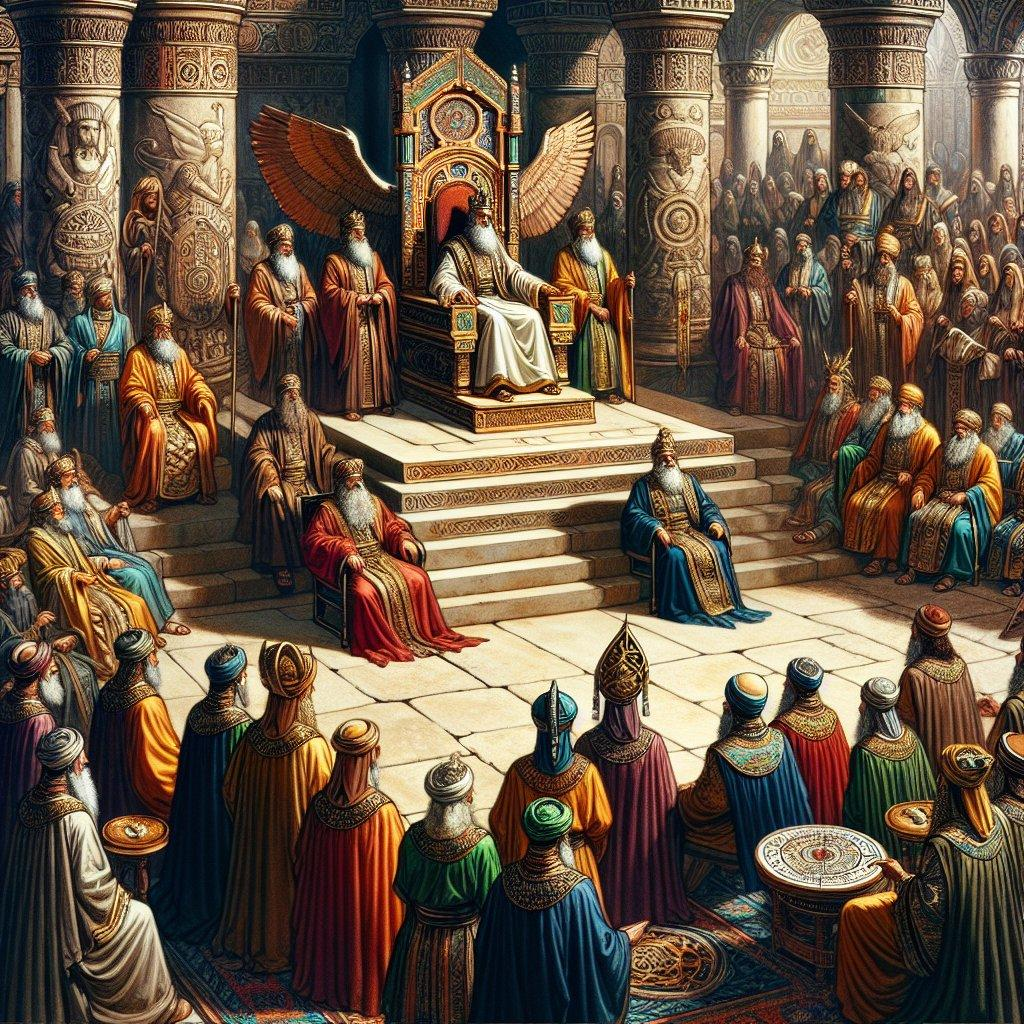
In Daniel 2:4–9, Nebuchadnezzar presents the wise men with an unusual demand.
He wants them to tell him both the dream and its interpretation. The king is not satisfied with an interpretation based on a dream he has already revealed. He demands that they demonstrate their claimed supernatural knowledge by first identifying the dream itself.
The wise men are unable to do so.
This exposes the limitations of the very system in which the king had placed his confidence.
It also raises an important question: What is wisdom?
Knowledge tells us what can be done. Ability gives us the means to do it. Wisdom determines how that knowledge and ability should be used and toward what purpose.
James 3:14–17 presents a distinction between earthly wisdom and wisdom from above.
Earthly wisdom can be driven by envy, selfish ambition and personal interest. It may employ intelligence, planning, influence and resources, yet still produce harmful results.
By contrast, James describes the wisdom from above as pure, peaceable, gentle, full of mercy and good fruits.
The difference is not necessarily the amount of intelligence a person possesses. It is also the motive guiding that intelligence.
This is a lesson worth considering in our own lives.
We may have good education, experience, resources and carefully prepared plans. We may even pray over our decisions and believe that we are doing what is right. Yet, if our motives are governed by selfish ambition, pride or personal advantage, we may be operating according to earthly wisdom rather than the wisdom of God.
Eventually, the fruit of our decisions reveals the principles that guided them.
Galatians 6:7 reminds us:
“For whatsoever a man soweth, that shall he also reap.”
Sometimes God allows our plans to fail, not simply to frustrate us, but to reveal the limitations of our own understanding.
The question is therefore not merely whether our plans can succeed, but whether they are guided by God’s principles.
Proverbs 3:5–6 gives us this counsel:
“Trust in the LORD with all thine heart; and lean not unto thine own understanding. In all thy ways acknowledge him, and he shall direct thy paths.”
Reflection: Are you asking God to guide your decisions, or are you simply asking Him to bless decisions you have already made?
3. The Chaldeans Confess Their Inability: Humanity Needs Revelation From Above
Daniel 2:10–11 records the response of the Babylonian wise men. They acknowledge that no ordinary human being can meet the king’s demand. They claim that only the gods could reveal such a thing, and that their dwelling is not with human beings.
Their confession exposes a fundamental truth: humanity has limitations.
No matter how intelligent, educated or accomplished we become, there are realities beyond our ability to understand without divine revelation.
Jeremiah 10:23 declares:
“O LORD, I know that the way of man is not in himself: it is not in man that walketh to direct his steps.”
The desire to be independent of God is not new. From the beginning, humanity has been tempted to believe that it can determine truth and direct its own path without depending on the Creator.
Education and intellectual achievement are valuable. However, they become dangerous when we begin treating human knowledge as though it were sufficient to guide every aspect of life.
Romans 1:21–22 describes people who knew God but failed to glorify Him. Their thinking became futile, and although they claimed to be wise, they became fools.
The problem was not that they possessed knowledge. It was that they failed to acknowledge God as the source of truth.
Nebuchadnezzar’s experience illustrates this principle. His kingdom possessed highly regarded advisers, but none could provide the answer he desperately needed.
Sometimes God allows the systems and resources we depend on to reach their limits so that we may recognise our need for Him.
When human wisdom fails, we are invited to seek the wisdom that comes from above.
Reflection: Have you ever depended so heavily on your own knowledge or abilities that you forgot to seek God’s direction?
4. The Death Decree: God’s People Are Not Exempt From Crisis
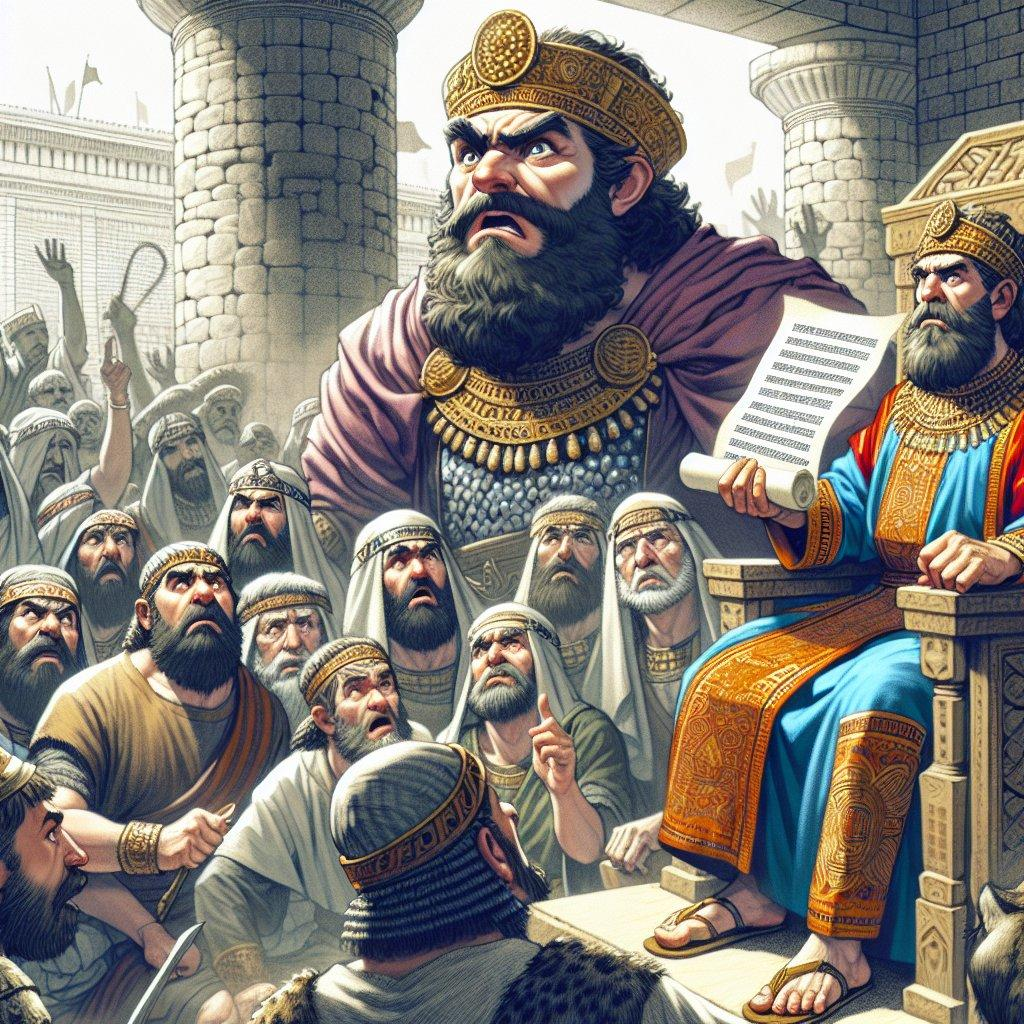
The situation becomes even more serious in Daniel 2:12–13.
Angered by the inability of the wise men to fulfil his demand, Nebuchadnezzar issues a decree that all the wise men of Babylon should be destroyed.
Daniel and his companions are included in the decree.
Notice something important: Daniel had not been given an opportunity to interpret the dream. He had not personally failed the king. Yet he was caught up in the consequences of a decision made by someone else.
This shows that God’s people are not exempt from unexpected crises.
Sometimes difficulties arise because of our own decisions. At other times, we may suffer because of circumstances beyond our control, decisions made by people in authority, or situations that affect an entire group.
The study guide gives two historical examples of individuals who experienced punishment or restrictions because of their association with a particular group.
Following the attack on Pearl Harbor in December 1941, fear and suspicion spread across the United States. Executive Order 9066, issued in 1942, led to the forced removal and incarceration of approximately 120,000 people of Japanese ancestry, most of whom were American citizens. They were not individually found guilty of espionage or treason; many suffered because of their ancestry.
Another example occurred during World War I. After the United States entered the war against Germany in 1917, German nationals living in America were registered as enemy aliens, and some faced restrictions or internment. People of German ancestry also experienced suspicion and hostility because of their connection to a nation regarded as an enemy.
These historical experiences illustrate how people can be affected by decisions made at a much higher level, even without individual wrongdoing.
Daniel’s experience reminds us that a crisis may reach us without our having created it.
But there is another important lesson: the character we develop before a crisis matters when the crisis arrives.
Preparation Before the Crisis
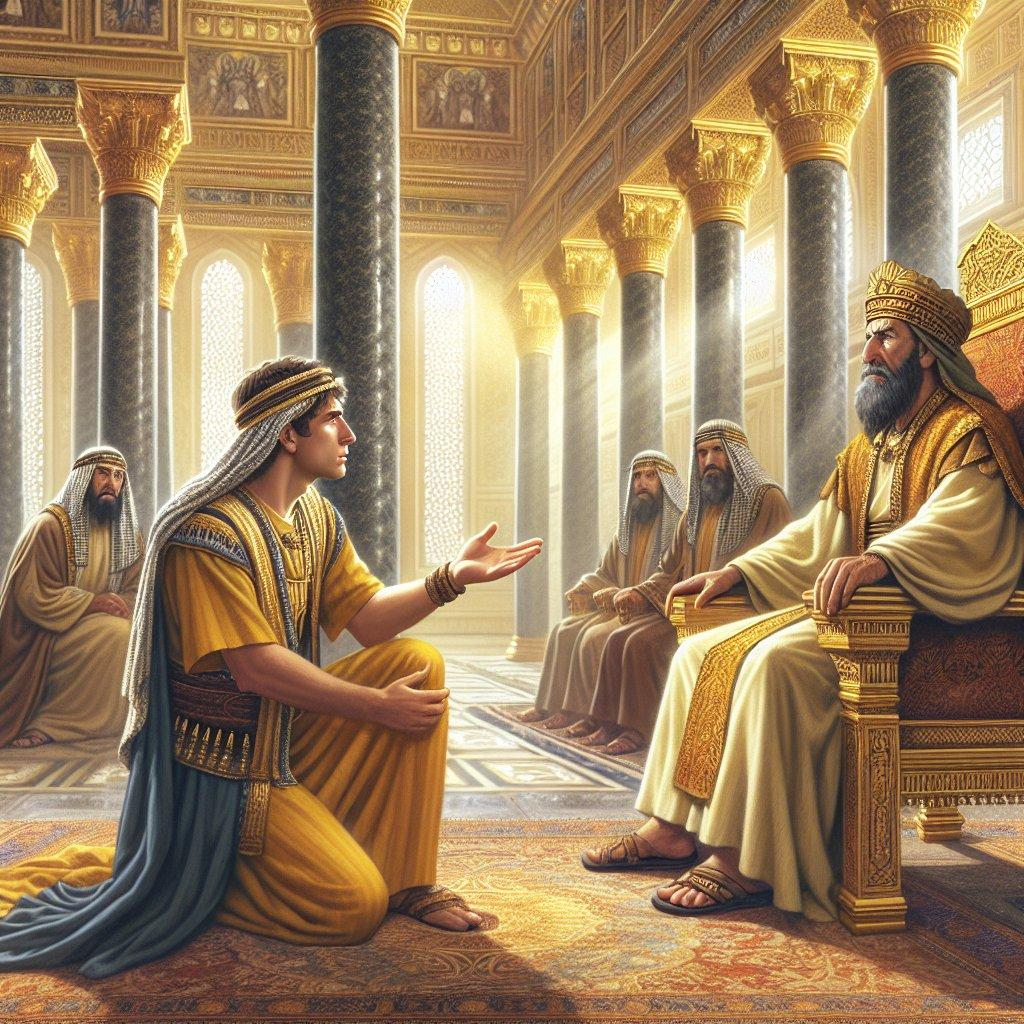
Although Daniel 2:12–16 introduces a death decree, the preparation for Daniel’s later trials had begun much earlier.
In Daniel 1:8, Daniel had purposed in his heart not to defile himself with the king’s food and wine.
Before the threat of death in Daniel 3, there had been a test involving appetite in Daniel 1.
Before the fiery furnace, there had been the king’s table.
This progression teaches us that self-government in ordinary matters prepares us for more demanding tests of faith.
The choices we make concerning appetite, convenience, obedience and personal discipline may seem small, but they help shape our character.
Paul writes:
“But I keep under my body, and bring it into subjection.” — 1 Corinthians 9:27 (KJV).
The principle reaches beyond food. Will we allow appetite, fear, convenience or self-preservation to control our decisions, or will we remain faithful to God?
Revelation 14:12 describes God’s people as those who “keep the commandments of God, and the faith of Jesus.”
The issue is ultimately one of loyalty and surrender.
We cannot wait until the great crisis arrives before learning to trust God and obey His Word.
Reflection: Are the choices you make today preparing you to remain faithful when obedience becomes difficult?
The Greater Lesson: Depend on God’s Wisdom
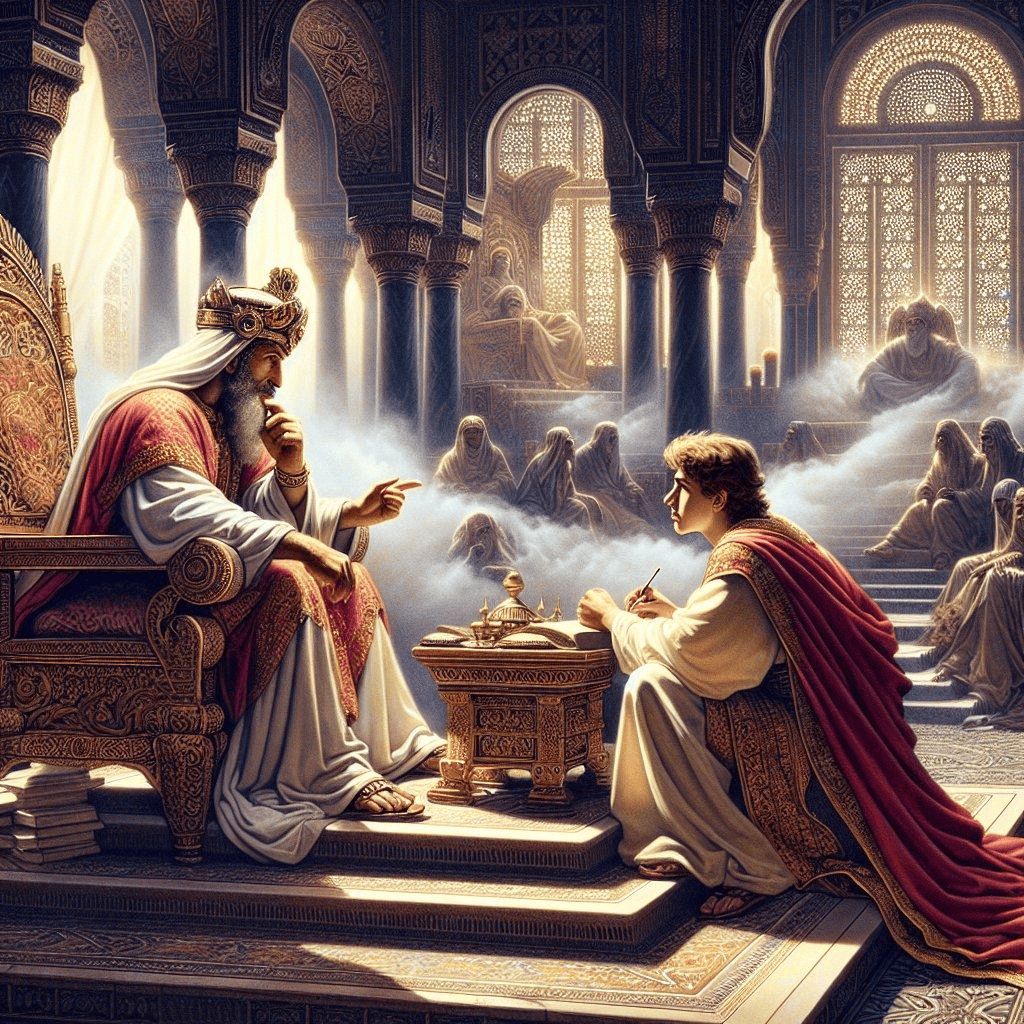
Daniel 2:1–16 presents a world filled with power, knowledge, influence and human confidence. Yet, when the king faces a problem beyond the reach of his advisers, the limitations of Babylon’s wisdom become clear.
God is not limited by human systems. He can reach the heart of a powerful king, expose the limitations of human understanding, and use unexpected circumstances to draw people towards Himself.
The chapter also reminds us that crises do not always come because we have done something wrong. Sometimes we are caught in circumstances beyond our control.
What matters is the character we have developed before those moments arrive.
We must learn to seek God’s wisdom rather than merely relying on our own understanding. We must allow Him to guide our motives, decisions, habits and priorities.
Questions for Personal Reflection
- What does Nebuchadnezzar’s experience teach us about God’s ability to reach people from different backgrounds?
- What is the difference between earthly wisdom and wisdom from above, according to James 3:14–17?
- In what ways can education, success and human achievement lead us to become overly dependent on ourselves?
- Why is it important to pray for people in positions of authority?
- What can Daniel’s experience teach us about facing crises we did not create?
- How can our everyday decisions prepare us for greater tests of faith?
A Challenge for Today
Take an honest look at the areas of your life where you have become overly dependent on your own knowledge, plans, influence or resources.
Ask God to replace self-confidence with genuine dependence on Him.
Do not wait for a crisis to develop a life of obedience. Begin with the small decisions you make every day.
When human wisdom reaches its limits, God’s wisdom remains sufficient.
Closing Prayer
Heavenly Father,
Thank You because You are not limited by human understanding, power or influence. Teach us to depend on Your wisdom rather than trusting entirely in our own abilities. Guide our thoughts, motives and decisions so that our lives may reflect Your principles.
We pray for those in positions of authority. Give them wisdom, integrity and a desire to do what is right. When we face circumstances beyond our control, strengthen our faith and help us remain faithful to You.
Prepare our hearts through the small decisions of everyday life so that we may stand firmly when greater challenges come.
In Jesus’ name, Amen.
Further Study: Read Daniel 2:1–16 in its entirety. Continue into Daniel 2:17–49 to discover how God answered the crisis and revealed what human wisdom could not.
Key Scriptures: Daniel 2:1–16; James 3:14–17; Proverbs 3:5–6; Jeremiah 10:23; 1 Timothy 2:1–2; Daniel 1:8; Revelation 14:12.
UGA Media – Informing Minds. Inspiring Hearts. Transforming Lives.


Leave a Reply